
Indian Cave
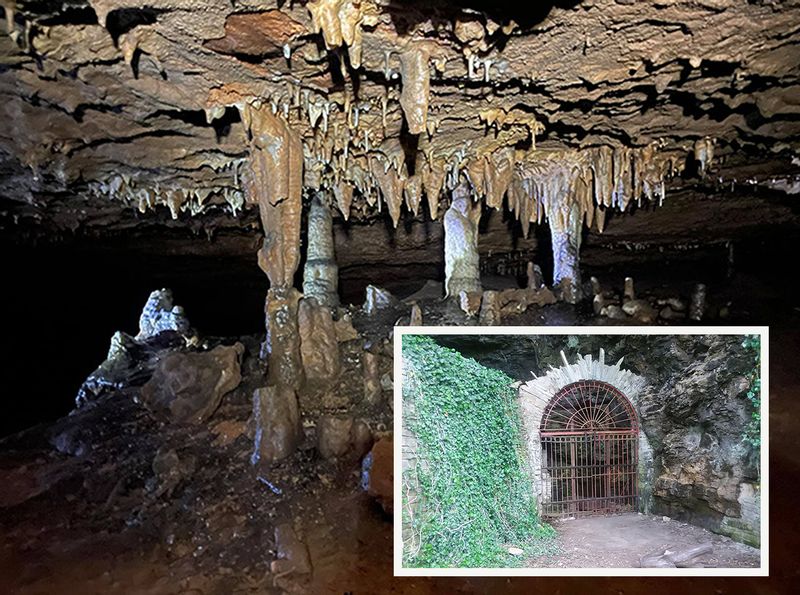
Indian Cave – Ancient Shelter, Frontier Resource & Civil War Site
Indian Cave is currently closed to the public and is not operating as a tourist attraction. Located near Blaine at the base of Clinch Mountain, Indian Cave is one of Grainger County’s most historically layered natural landmarks. Archaeological evidence suggests the cave and surrounding area were used by Indigenous peoples for thousands of years — some estimates indicate human activity dating back over 5,000 years. Its natural shelter, freshwater access, and proximity to hunting grounds made it an ideal seasonal habitation site and travel stop.
Native American Use
Long before European settlement, Native American groups traveled through and occupied the region that would become East Tennessee. Indian Cave likely served as:
-
A temporary shelter during hunting expeditions
-
A trading and gathering location
-
A seasonal habitation site
-
A protected storage area
Artifacts found in similar Appalachian cave sites typically include stone tools, pottery fragments, and evidence of fire use. The cave’s location near natural travel corridors made it part of a broader Indigenous network across the Tennessee Valley.
Frontier & Early Settlement Era
As settlers moved into the region in the late 18th and early 19th centuries, caves like Indian Cave became important natural resources. Early settlers used them for:
-
Shelter
-
Livestock protection
-
Storage
-
Access to mineral deposits
Grainger County’s position between mountain passes and fertile farmland made it a crossroads of movement — and the cave’s prominence would have been well known to early residents.
Civil War Saltpeter Mining
During the Civil War, Indian Cave gained strategic importance for its mineral deposits. The cave was used for saltpeter (potassium nitrate) mining, a critical ingredient in gunpowder production. Throughout the Confederacy, caves across the Appalachian region were mined to supply ammunition manufacturing.
Evidence of mining activity in Appalachian caves typically includes:
-
Disturbed soil banks
-
Remnants of leaching pits
-
Tool marks
-
Modified cave floors
Indian Cave’s role in saltpeter extraction ties Grainger County directly to the wartime industrial effort in East Tennessee, particularly during campaigns such as the Battle of Bean's Station.